
How to Choose the Right CNC Machining Partner
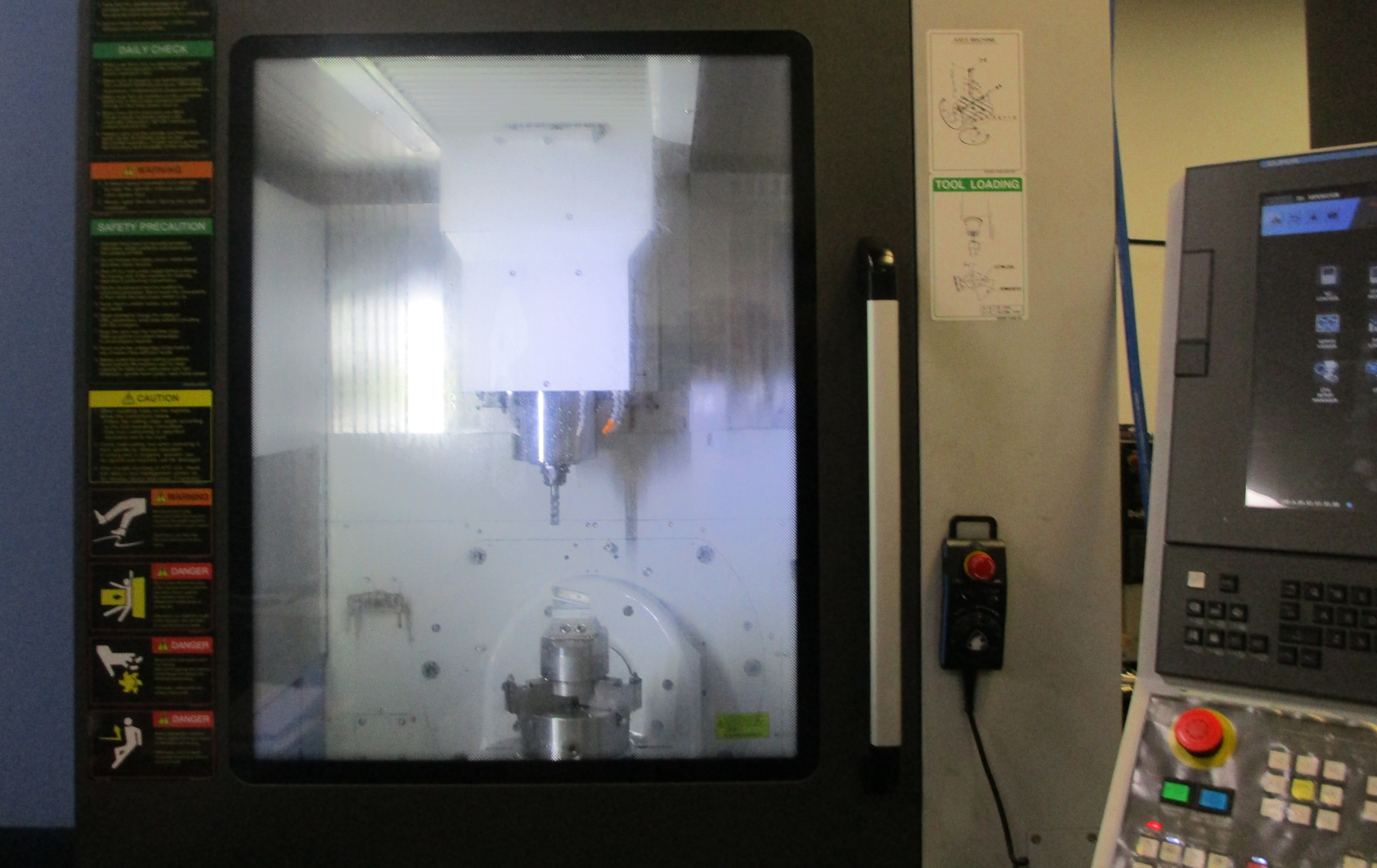
If you have been searching for a CNC machining partner, you have probably seen the same promises more than once. Every shop seems to offer precision, dependable quality, and quick turnaround. Those claims sound reassuring, but they do not always help you work out who can actually make your part and support you when the project grows.
Lead times and budget matter, of course. They often shape your shortlist before you have spoken to a CNC machining company. Yet two similar quotes can represent very different levels of material experience, inspection, engineering input, and production support, and that is where choosing a supplier can start to feel more complicated than it should.
In this post, we will look at the questions that help you get past the broad promises and assess whether a machining partner is a good fit for your drawing, your schedule, and the work ahead.
1. Evaluate Their CNC Machining Capabilities
A supplier's list of CNC machining services is a starting point, but it does not tell you whether the shop can actually build your part.
Ask about milling and turning capabilities, machine travel and workholding, and the part sizes and geometries the equipment can accommodate comfortably. A large mounting fixture raises different setup questions than a small turned component with several tightly controlled features.
An experienced shop will want to know how the part is intended to be used and can advise if the material and heat treatment is ideally suited. They will know and understand how the material will move while being machined and what to expect in post-machining processes.
It helps to share your drawing or 3D model early and explain the intended volume. Ask how the supplier would approach the most difficult features on the part, and whether that process can be repeated reliably if demand grows. A CNC machine shop that handles a single prototype well is not automatically the right fit for an ongoing production run, so it is worth evaluating both stages now instead of after your first order ships.
MSNST’s custom machining services include CNC turning, vertical and multi-axis milling, and high-speed machining, and our published capabilities are a useful starting point whether you need one-off prototypes or ongoing custom machining services at volume.
2. Look at Their Experience With Your Materials
A shop may be comfortable with a material family in general without having real experience on the exact grade your drawing calls for. Material choice affects tooling, achievable surface finish, tolerances, and cost, so it is worth discussing that experience before you place an order, not after the first article comes back with issues.
When evaluating a CNC machining manufacturer, look for experience that matches both the material and the demands of your specific part. Here is what to consider.
Check the exact grade: Experience with a broad material family does not guarantee familiarity with the grade on your drawing.
Compare similar parts: Experience with the material matters more when the shop has also machined comparable sizes, shapes, or thin-walled features.
Review critical requirements together: Point out the tolerances and finishes that matter most, and ask the shop to flag any concerns before quoting. They will suggest alternatives for challenging features where there may be some flexibility in design.
Confirm the material specification: Provide the grade, stock form, and any required documentation so the quote reflects the part you actually need.
At MSNST, we machine a wide range of materials including 17-4PH stainless steel, 4340 carbon steel, alloy steel, nickel alloy, aluminum, copper, titanium, and tungsten. We also offer a broad range of plastics including nylon, delrin, UHMW, teflon, to name just a few. We also have experience with multiple grades of Ultem and graphite. If your project calls for custom CNC machining in a less common grade, confirm the exact specification and any documentation requirements directly with our team.
3. Understand Their Precision and Tolerance Capabilities
For a mating surface, a sensor component, or a test fixture, the real question is whether a supplier can hold the dimensions and tolerances that matter consistently across a full run, not only on a single sample part that received extra attention on the machine.
Precision CNC machining depends on agreement upfront on critical features, datum references, surface finish, and how each requirement will be verified. Adding unnecessarily tight tolerances to every dimension can also increase machining and inspection effort without improving how the part actually functions, so it is worth being selective about which features truly need that level of control. Tighter tolerances are more costly.
CNC machining services can vary widely in how tightly a shop actually controls dimensions from part to part, and that variation is not always obvious from a quote or a service list. The real question for any supplier is whether they can consistently meet the critical tolerances called out on your specific drawing, not only what their capability range looks like on paper. Our own standard tolerance range is ±0.005 inches, however ,we can process parts with much tighter tolerances, depending upon the geometry of the part. That number still depends on material, geometry, feature size, and production method once it meets your actual part. Ask a prospective supplier to review your actual drawing instead of quoting aI have no idea what this is supposed to be saying - spec sheet number? Is unclear.and confirm what they can hold and verify for your specific application.
4. Review Quality Control and Inspection Processes
How will the supplier show you that the finished component actually matches your drawing, not only how it looks off the machine? Before you commit to a supplier, ask about each of the following.
Inspection method: Confirm what gets checked during setup and throughout a production run, not only on the first part of the machine.
Measuring equipment: Ask what equipment verifies critical dimensions, and how often it gets calibrated.
Documentation: Ask what inspection records, certificates of conformance, or material certifications can ship with the order.
Traceability: For regulated or critical parts, confirm how material and process traceability is maintained.
Nonconforming parts: Ask what happens when a part fails inspection, and how that gets communicated back to you.
A quality certification tells you a documented process exists, not which dimensions get measured or what report ships with your parts, so that detail still needs to be confirmed for your specific order. At MSNST, we maintain ISO 9001:2015 certification and include a portable 3D coordinate measuring machine among our inspection equipment, and we still expect buyers to ask exactly what that covers before committing to an order. Ask the same of any CNC machining company you are evaluating, whether or not you end up working with us.
5. Consider Engineering and Design Support
A capable CNC machining manufacturer can help you catch manufacturability issues before a part ever reaches the machine. Design for manufacturability conversations might cover tool access, difficult internal corners, workholding, material availability, and whether a tight tolerance is actually needed for the part to function as intended.
This kind of input is most valuable early, while a design is still flexible and the machining approach has not been locked in.
A credible CNC machining partner will flag a difficult or expensive feature before you commit to a full production run, not after the first batch comes back with rejected parts. At MSNST, our custom machining services include engineering design and drafting support alongside production, so design questions get answered by the same team building the part.
Choosing the right manufacturer makes all the difference.
Our team can help you evaluate your application and find a custom CNC machining solution built for performance, not just price.
6. Evaluate Production Capacity and Lead Times
Why Evaluating Production Capacity Matters
A supplier may handle your first prototype well and still need a different production plan once you begin placing repeat orders. Share your expected quantities and reorder frequency early, and ask whether the CNC machine shop can support both your current project and any planned increase in demand for custom CNC machining work.
Our machine shop supports work from prototyping through full production. Sharing your drawing and forecast early helps us assess what we can realistically accommodate for your project.
Why Lead Times Require Good Communication
A quoted lead time is most useful once you understand what it actually covers. Material availability, inspection, outside processing, and drawing revisions can all affect the schedule, so ask when the clock starts and which steps are included in that estimate.
You should also know how the supplier will communicate if a question or a delay comes up. Regular updates give your own team time to adjust production plans and make decisions before a missed delivery turns into a bigger problem.
7. Look Beyond the Lowest Quote
Price matters, and the lowest quote may be the right choice when a supplier can actually meet every requirement on your drawing. But that number alone does not tell the whole story. Compare what each quote actually includes before judging it by the per part price. One supplier may build in material, inspection, finishing, and documentation, while another prices some of those items separately, which makes a side by side comparison less apples to apples than it looks.
The same logic applies to costs that only show up after the order ships. Rejected components, rework, delayed assembly, and time spent chasing down unresolved specifications all add real cost, even when none of them appear on the original quote. A CNC machining manufacturer with a slightly higher price but a track record of consistent, on time delivery and low reject rates often works out to the better value once those costs are factored in. The real comparison is total cost and delivery risk for your specific project, not only the number at the bottom of the quote.
Questions to Ask a CNC Machining Company Before Choosing a Partner
Bring your drawing, target quantity, and delivery schedule to your first conversation with a prospective CNC machining company so the discussion stays specific instead of general.
Which features or tolerances on this drawing can you consistently hold, and how will you inspect them?
Do you regularly machine the exact material grade we have specified?
Can your equipment accommodate this part's size, geometry, and required operations?
Can you support a prototype followed by repeat production orders at our expected volume?
What engineering or design for manufacturability support can you provide?
What information do you need from us to provide an accurate quote and a realistic lead time?
A supplier that answers these specifically, instead of with general reassurances, is usually one worth taking seriously as a long-term CNC machining services partner.
Partner With MSNST for Custom Machining Services
The right CNC machining partner should be able to discuss your part in detail and explain how its equipment, material experience, inspection approach, engineering support, and production plan actually fit the job, not simply recite a services list. Reviewing those points before placing an order helps both teams agree on what matters most before production starts.
At MSNST, our 6,000 square foot machine shop in Huntsville, Alabama handles everything from single large mounting fixtures to production runs of precision parts, backed by ISO 9001:2015 certification, CMM in-house inspection capabilities, and processes built for precision CNC machining. For aerospace and DOW/government projects, we are CMMC2 certified. If you're evaluating a custom machining services provider for an upcoming project, we would welcome the chance to talk through your requirements.
Explore our custom machining services to see our full capabilities, or request a quote and contact us to discuss your machining requirements directly.

Have questions about your application?
Our team is here to to help you find the right CNC Machining services for your needs.



Comments